Period Underwear Manufacturing for Canadian Brands
Period Underwear Manufacturing for Canadian Brands. Brands, retailers and sourcing teams entering the destination market
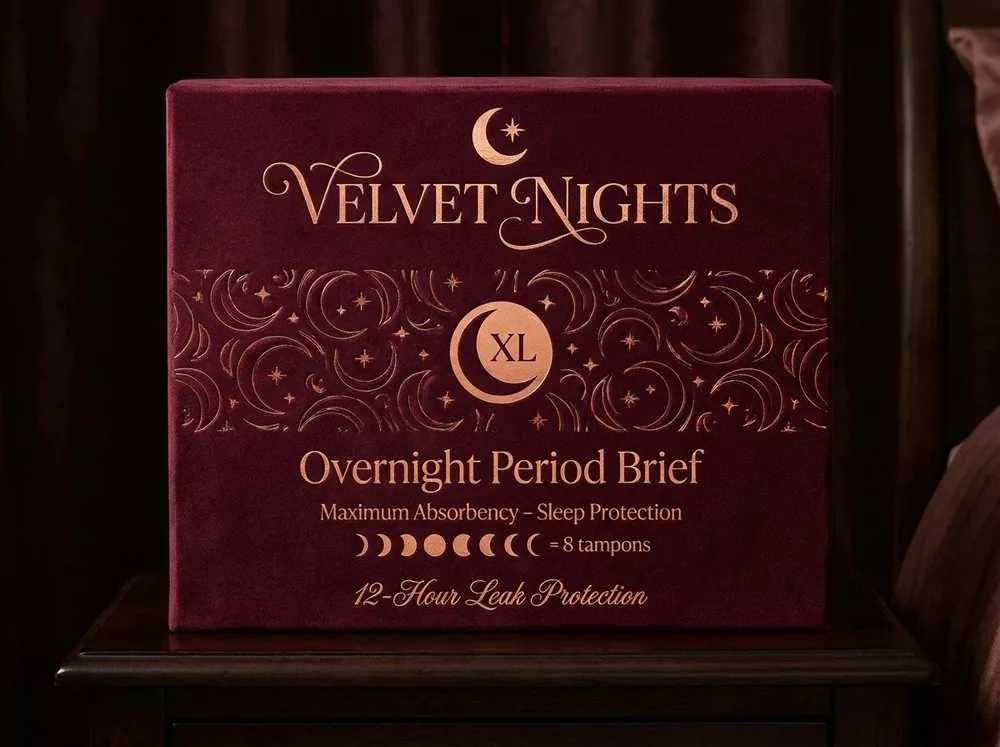
Period Underwear Manufacturing for Canadian Brands answers practical questions for brands, retailers and sourcing teams entering the destination market about Canadian GST/HST, bilingual information and shipment planning, and links the brief, evidence file and approved production specification.
Commercial or equity-fund supply route
Canadian supply can follow a normal commercial purchase or a publicly funded programme. The route changes the buyer, documentation and invoicing, so confirm the actual contract owner before treating a programme announcement as demand.
Federal GST/HST and province caveats
GST/HST treatment depends on the product and supply facts; provincial rules can add another layer. Use written tax advice for the exact SKU and account rather than copying a rule from another menstrual product.
English/French information review
English and French information may both be needed for the channel and destination. Review fibre names, care, importer details, warnings and claims before the artwork is released.
Product file and claims
The product file should link the Canadian SKU to its BOM, size set, packaging, test status and approved claims. A report for another market does not automatically satisfy a Canadian buyer’s evidence request.
Shipment and reorder planning
Shipment planning should define the Incoterm, carton data, importer, province, lead time and reorder trigger. Keep the first production lot and later repeats tied to the same approved specification.
Decision register
| Stage | What to record | Minimum evidence | Dependency |
|---|---|---|---|
| Commercial or equity-fund supply route | Decision, reference and version | approved brief and scope note | development parameters and approvals, commercial terms and packaging, market responsibility and local adviser input |
| Federal GST/HST and province caveats | Decision, reference and version | dated specification, BOM or official-source note | development parameters and approvals, commercial terms and packaging, market responsibility and local adviser input |
| English/French information review | Decision, reference and version | sample, test or registration record for the named reference | development parameters and approvals, commercial terms and packaging, market responsibility and local adviser input |
| Product file and claims | Decision, reference and version | named approval, exception and change log | development parameters and approvals, commercial terms and packaging, market responsibility and local adviser input |
| Shipment and reorder planning | Decision, reference and version | RFQ or production-release pack for the next stage | development parameters and approvals, commercial terms and packaging, market responsibility and local adviser input |
Project file to assemble
- Buyer focus: Brands, retailers and sourcing teams entering the destination market.
- Page scope: Canadian GST/HST, bilingual information and shipment planning.
- Evidence to assemble: for Canadian GST/HST, bilingual information and shipment planning, approved brief and scope note; dated specification, BOM or official-source note; sample, test or registration record for the named reference; named approval, exception and change log; RFQ or production-release pack for the next stage.
- External dependencies: development parameters and approvals, commercial terms and packaging, market responsibility and local adviser input.
- Next step: send a dated brief covering Canadian GST/HST, bilingual information and shipment planning, the destination market and available documents for a feasibility review.
Buyer questions
What defines the market requirement for “Commercial or equity-fund supply route”?
For Canadian GST/HST, bilingual information and shipment planning: Start with the importer or operator, destination country, sales channel, product classification and applicable language. These determine which labels, records and registrations need review.
Can a factory quote be compared across markets without changes?
For Canadian GST/HST, bilingual information and shipment planning: Only when the SKU, size set, packaging, tests and Incoterm are identical. Market-specific artwork, registration, testing or logistics should be shown separately.
Who owns local market advice?
For Canadian GST/HST, bilingual information and shipment planning: The brand, importer or local operator should obtain advice for tax, labelling, registration and claims. Ljvogues can supply product and factory records but cannot replace that review.
Official sources
Related routes
Editorial review: 8 November 2026. This page describes a procurement method and does not replace legal, tax or regulatory advice.
Have a style in mind?
Send a sketch, tech pack or reference garment. We will reply with a development route.