Leak Barrier Performance vs Breathability: A Buyer Test Brief
Leak Barrier Performance vs Breathability: A Buyer Test Brief. Product developers, QA and procurement teams
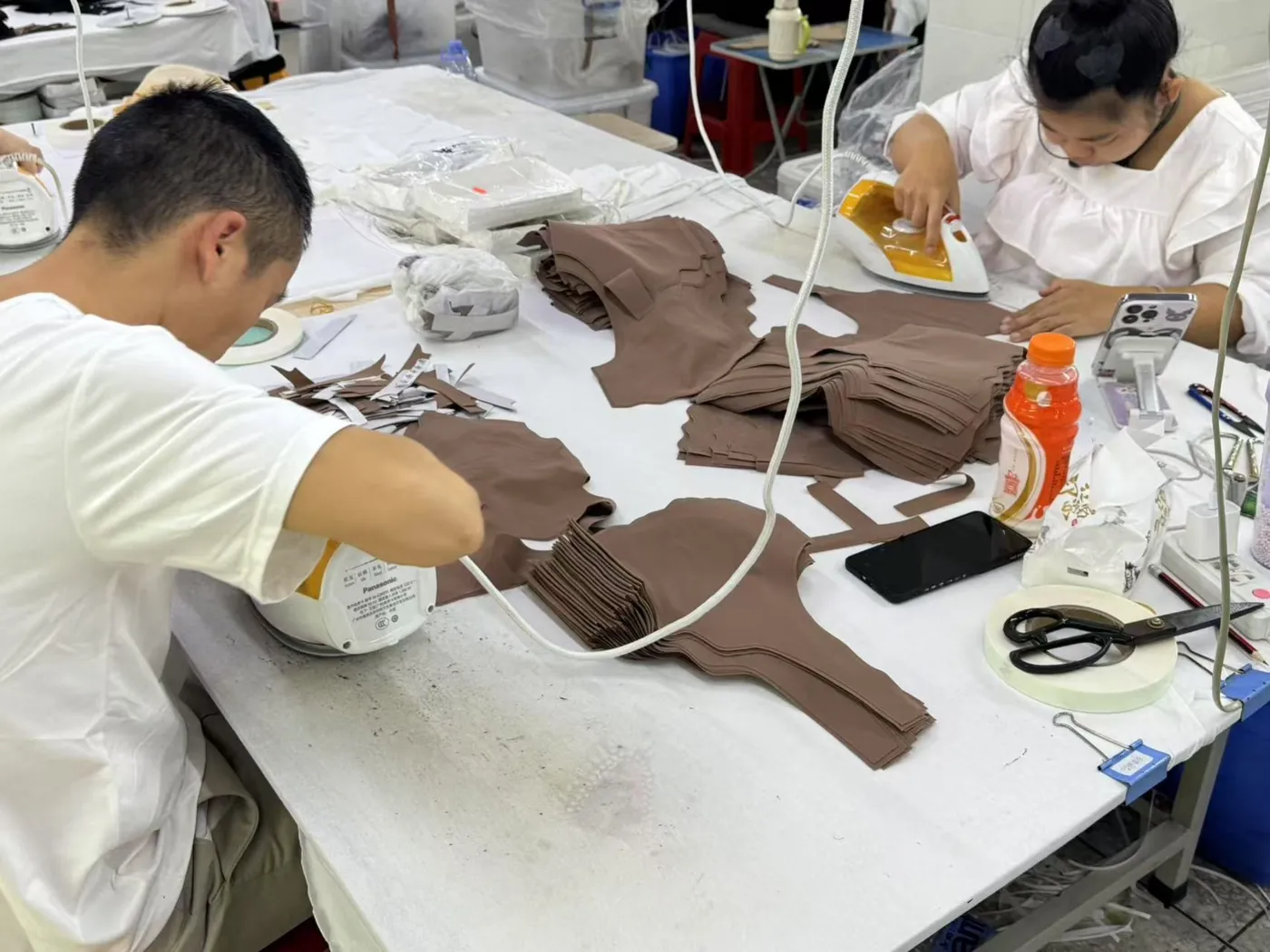
Written for product developers, QA and procurement teams, Leak Barrier Performance vs Breathability: A Buyer Test Brief explains the decisions, records and approvals to control before the next quotation or sample release. Scope: barrier performance, vapour transfer, film choice and garment construction.
Barrier performance and vapour transfer differ
Barrier performance and breathability describe different transport properties. A film can stop liquid while still allowing limited vapour transfer, and a more breathable film may require a different thickness, adhesive or garment design.
Agree units and methods with the lab
Agree the test method, units and conditioning with the laboratory before comparing films. Do not mix hydrostatic, vapour-transmission and air-permeability results as if they were the same measurement.
Film, adhesive and garment construction
Evaluate the film with its adhesive, lamination and garment construction. A flat-film result may change after bonding, pleating, washing or flexing in the finished gusset.
Wash and flex conditioning
Add wash and flex conditioning when the product is reusable. Record the number of cycles, the area tested and any delamination, pinhole or stiffness observed.
Select a fit-for-purpose compromise
Choose a fit-for-purpose compromise rather than a universal winner. The buyer should state whether priority is leakage protection, drying, softness, noise or cost, then document the trade-off.
Decision register
| Stage | What to record | Minimum evidence | Dependency |
|---|---|---|---|
| Barrier performance and vapour transfer differ | Decision, reference and version | approved brief and scope note | BOM, material and certificate scope, test records and sample identity |
| Agree units and methods with the lab | Decision, reference and version | dated specification, BOM or official-source note | BOM, material and certificate scope, test records and sample identity |
| Film, adhesive and garment construction | Decision, reference and version | sample, test or registration record for the named reference | BOM, material and certificate scope, test records and sample identity |
| Wash and flex conditioning | Decision, reference and version | named approval, exception and change log | BOM, material and certificate scope, test records and sample identity |
| Select a fit-for-purpose compromise | Decision, reference and version | RFQ or production-release pack for the next stage | BOM, material and certificate scope, test records and sample identity |
Project file to assemble
- Buyer focus: Product developers, QA and procurement teams.
- Page scope: barrier performance, vapour transfer, film choice and garment construction.
- Evidence to assemble: for barrier performance, vapour transfer, film choice and garment construction, approved brief and scope note; dated specification, BOM or official-source note; sample, test or registration record for the named reference; named approval, exception and change log; RFQ or production-release pack for the next stage.
- External dependencies: BOM, material and certificate scope, test records and sample identity.
- Next step: send a dated brief covering barrier performance, vapour transfer, film choice and garment construction, the destination market and available documents for a feasibility review.
Buyer questions
What makes “Barrier performance and vapour transfer differ” a usable test?
For barrier performance, vapour transfer, film choice and garment construction: A usable test names the sample and version, BOM, method, units, conditioning, dose or load, number of repeats and acceptance rule. Results without those fields are difficult to reproduce or compare.
Can “Agree units and methods with the lab” be approved from one sample?
For barrier performance, vapour transfer, film choice and garment construction: Only for the version tested. The approval should state which size, colour, material and process were covered, and which production variation still needs verification.
When should the test be repeated?
For barrier performance, vapour transfer, film choice and garment construction: Repeat it after a material, film, adhesive, seam, laundry instruction, supplier or construction change, or when the finished-garment sample differs from the tested specimen.
Related routes
Absorbent gusset construction Contact
Editorial review: 8 November 2026. This page describes a procurement method and does not replace legal, tax or regulatory advice.
Have a style in mind?
Send a sketch, tech pack or reference garment. We will reply with a development route.