Stretch Recovery and Fit Retention for Period Underwear
Stretch Recovery and Fit Retention for Period Underwear. Product developers, QA and procurement teams
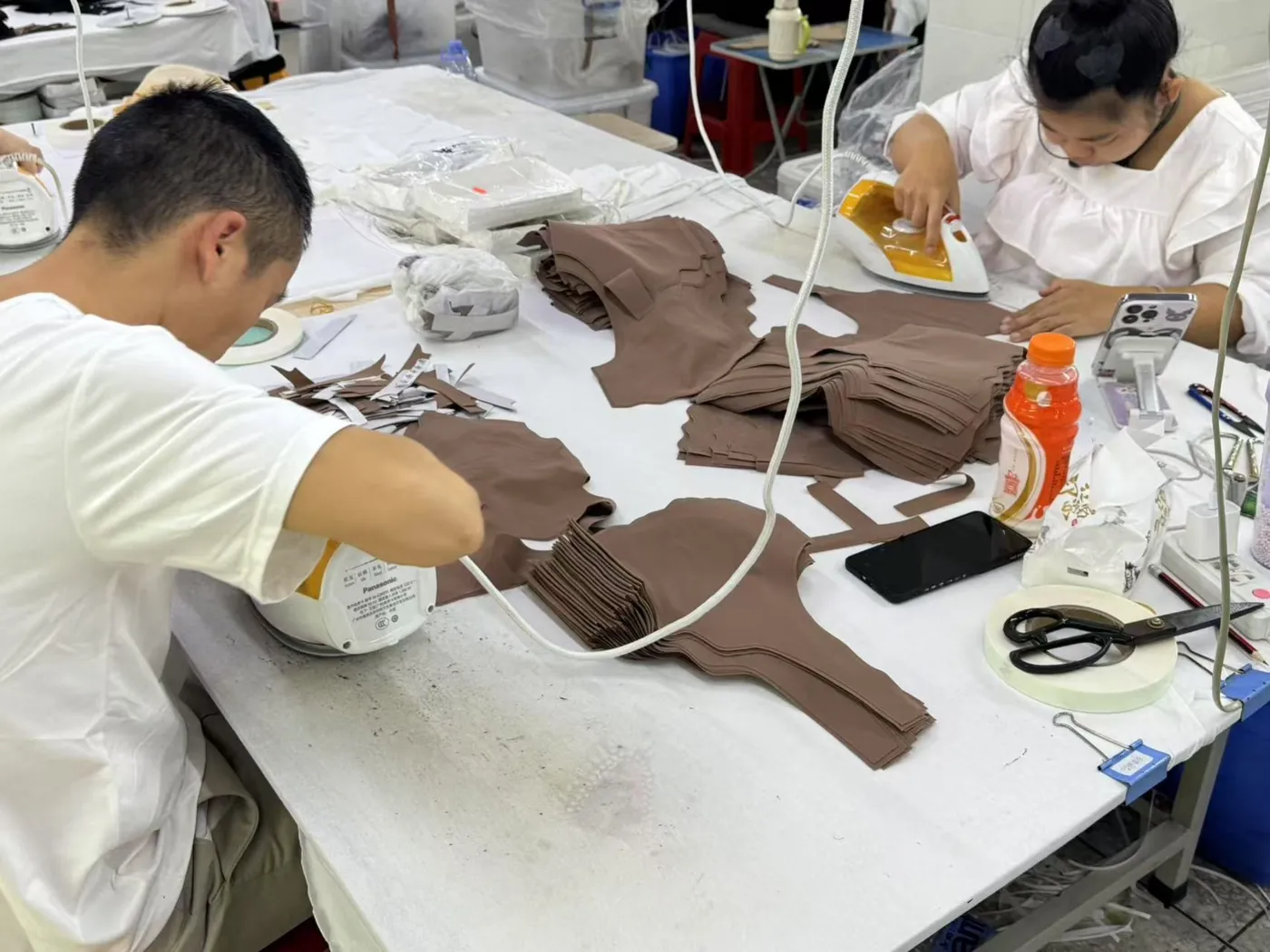
Written for product developers, QA and procurement teams, this working brief turns the key questions around stretch, recovery, waist and leg tension, gusset interaction and fit tolerance into a dated brief, a comparable quotation and a controlled next step.
Define stretch and recovery by zone
Stretch and recovery should be measured by zone: waistband, leg opening and gusset area. A single elongation figure cannot describe whether the garment will stay in place or recover after wear.
Waist, leg opening and gusset interaction
Waist and leg tension interact with the gusset and shell construction. Measure the finished garment in the positions that affect fit, then compare the same size and pattern version.
Relaxation and wash conditioning
Use a defined relaxation time and wash conditioning before the final measurement. Record the initial length, extended length and residual change so the recovery result is reproducible.
Compare approved tolerances
Agree tolerances with the fit team before production. A measurement inside a general tolerance can still be a fit failure if it changes gusset position or causes leg opening pressure.
Link measured change to fit approval
Link the measured result to the approved fit model and size grading. If a material or elastic changes, recheck the affected zones rather than assuming the old fit approval still applies.
Decision register
| Stage | What to record | Minimum evidence | Dependency |
|---|---|---|---|
| Define stretch and recovery by zone | Decision, reference and version | approved brief and scope note | BOM, material and certificate scope, test records and sample identity, development parameters and approvals |
| Waist, leg opening and gusset interaction | Decision, reference and version | dated specification, BOM or official-source note | BOM, material and certificate scope, test records and sample identity, development parameters and approvals |
| Relaxation and wash conditioning | Decision, reference and version | sample, test or registration record for the named reference | BOM, material and certificate scope, test records and sample identity, development parameters and approvals |
| Compare approved tolerances | Decision, reference and version | named approval, exception and change log | BOM, material and certificate scope, test records and sample identity, development parameters and approvals |
| Link measured change to fit approval | Decision, reference and version | RFQ or production-release pack for the next stage | BOM, material and certificate scope, test records and sample identity, development parameters and approvals |
Project file to assemble
- Buyer focus: Product developers, QA and procurement teams.
- Page scope: stretch, recovery, waist and leg tension, gusset interaction and fit tolerance.
- Evidence to assemble: for stretch, recovery, waist and leg tension, gusset interaction and fit tolerance, approved brief and scope note; dated specification, BOM or official-source note; sample, test or registration record for the named reference; named approval, exception and change log; RFQ or production-release pack for the next stage.
- External dependencies: BOM, material and certificate scope, test records and sample identity, development parameters and approvals.
- Next step: send a dated brief covering stretch, recovery, waist and leg tension, gusset interaction and fit tolerance, the destination market and available documents for a feasibility review.
Buyer questions
What makes “Define stretch and recovery by zone” a usable test?
For stretch, recovery, waist and leg tension, gusset interaction and fit tolerance: A usable test names the sample and version, BOM, method, units, conditioning, dose or load, number of repeats and acceptance rule. Results without those fields are difficult to reproduce or compare.
Can “Waist, leg opening and gusset interaction” be approved from one sample?
For stretch, recovery, waist and leg tension, gusset interaction and fit tolerance: Only for the version tested. The approval should state which size, colour, material and process were covered, and which production variation still needs verification.
When should the test be repeated?
For stretch, recovery, waist and leg tension, gusset interaction and fit tolerance: Repeat it after a material, film, adhesive, seam, laundry instruction, supplier or construction change, or when the finished-garment sample differs from the tested specimen.
Related routes
Period underwear sizing grading Contact
Editorial review: 8 November 2026. This page describes a procurement method and does not replace legal, tax or regulatory advice.
Have a style in mind?
Send a sketch, tech pack or reference garment. We will reply with a development route.