Colourfastness and Dye Transfer: Approve Colours With Evidence
Colourfastness and Dye Transfer: Approve Colours With Evidence. Product developers, QA and procurement teams
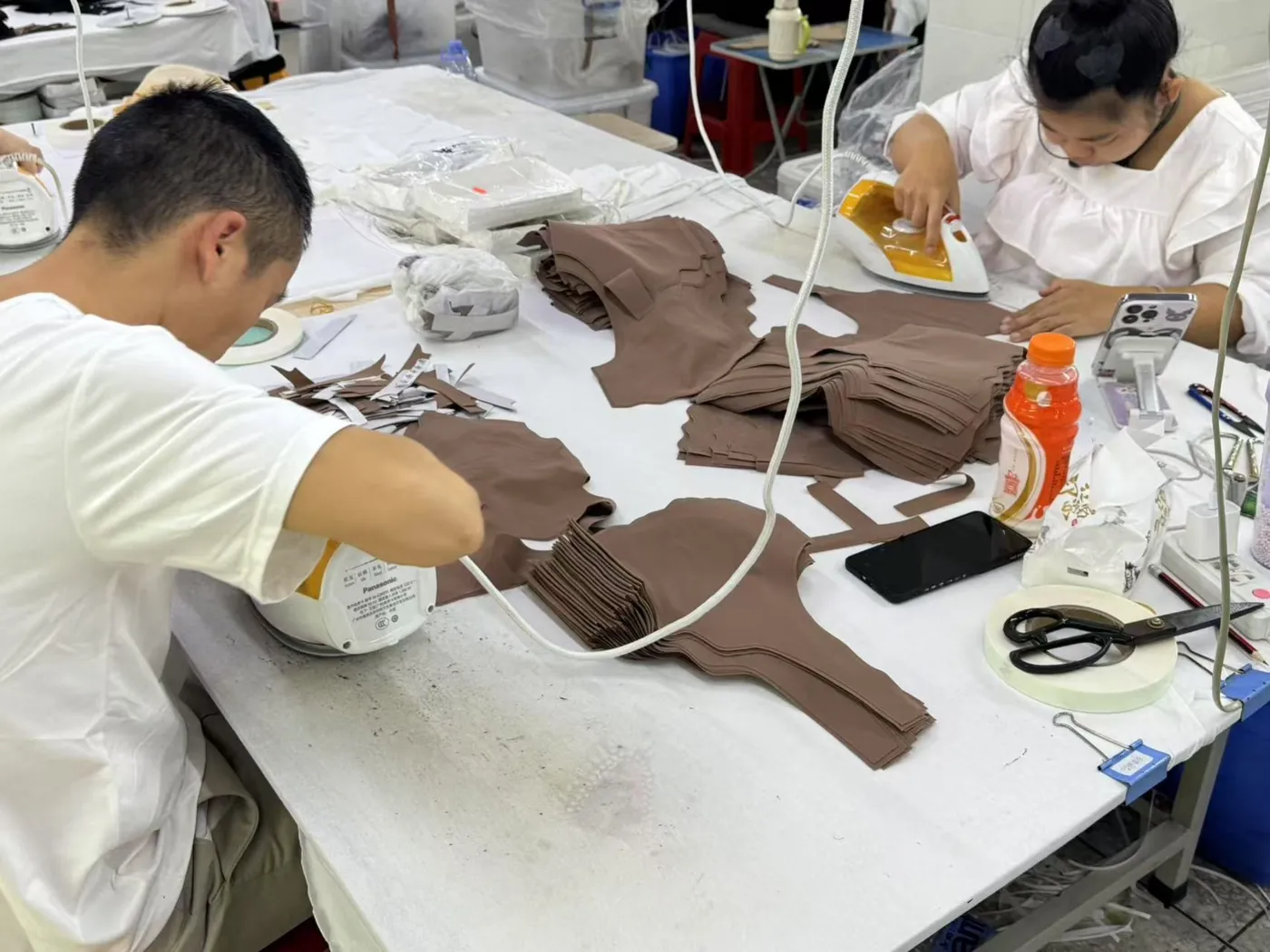
Written for product developers, QA and procurement teams, Colourfastness and Dye Transfer: Approve Colours With Evidence explains the decisions, records and approvals to control before the next quotation or sample release. Scope: colour change, staining, dark shades, washing and rubbing methods.
Colour change versus staining
Colour change and dye transfer are different failures. Colour change affects the appearance of the tested fabric; staining describes transfer to another material or skin-contact layer under a defined condition.
Dark shades, prints and pale skin-contact layers
Dark shades, prints, trims and pale skin-contact layers require different risk checks. Test the exact colour and material combination instead of relying on a general colourfastness statement for the fabric family.
Washing and rubbing methods
Choose washing, rubbing or perspiration methods according to the product use and the claim being supported. Record the method, cycle, temperature and assessment scale used by the laboratory.
Colour-lot approval and rechecks
Approve colours by lot with a retained standard and a recheck trigger. A new dye lot, supplier or finishing route can change the result even when the colour reference looks similar.
Wording for care and complaints
Use the evidence to set care wording and complaint handling, not to promise that every dark shade will never transfer. Keep the tested sample, report and approved colour standard together.
Decision register
| Stage | What to record | Minimum evidence | Dependency |
|---|---|---|---|
| Colour change versus staining | Decision, reference and version | approved brief and scope note | BOM, material and certificate scope, test records and sample identity, production, inspection and traceability records |
| Dark shades, prints and pale skin-contact layers | Decision, reference and version | dated specification, BOM or official-source note | BOM, material and certificate scope, test records and sample identity, production, inspection and traceability records |
| Washing and rubbing methods | Decision, reference and version | sample, test or registration record for the named reference | BOM, material and certificate scope, test records and sample identity, production, inspection and traceability records |
| Colour-lot approval and rechecks | Decision, reference and version | named approval, exception and change log | BOM, material and certificate scope, test records and sample identity, production, inspection and traceability records |
| Wording for care and complaints | Decision, reference and version | RFQ or production-release pack for the next stage | BOM, material and certificate scope, test records and sample identity, production, inspection and traceability records |
Project file to assemble
- Buyer focus: Product developers, QA and procurement teams.
- Page scope: colour change, staining, dark shades, washing and rubbing methods.
- Evidence to assemble: for colour change, staining, dark shades, washing and rubbing methods, approved brief and scope note; dated specification, BOM or official-source note; sample, test or registration record for the named reference; named approval, exception and change log; RFQ or production-release pack for the next stage.
- External dependencies: BOM, material and certificate scope, test records and sample identity, production, inspection and traceability records.
- Next step: send a dated brief covering colour change, staining, dark shades, washing and rubbing methods, the destination market and available documents for a feasibility review.
Buyer questions
What makes “Colour change versus staining” a usable test?
For colour change, staining, dark shades, washing and rubbing methods: A usable test names the sample and version, BOM, method, units, conditioning, dose or load, number of repeats and acceptance rule. Results without those fields are difficult to reproduce or compare.
Can “Dark shades, prints and pale skin-contact layers” be approved from one sample?
For colour change, staining, dark shades, washing and rubbing methods: Only for the version tested. The approval should state which size, colour, material and process were covered, and which production variation still needs verification.
When should the test be repeated?
For colour change, staining, dark shades, washing and rubbing methods: Repeat it after a material, film, adhesive, seam, laundry instruction, supplier or construction change, or when the finished-garment sample differs from the tested specimen.
Related routes
Editorial review: 8 November 2026. This page describes a procurement method and does not replace legal, tax or regulatory advice.
Have a style in mind?
Send a sketch, tech pack or reference garment. We will reply with a development route.