Plan Finished-Garment Testing Across Colours, Sizes and Components
Plan Finished-Garment Testing Across Colours, Sizes and Components. Product developers, QA and procurement teams
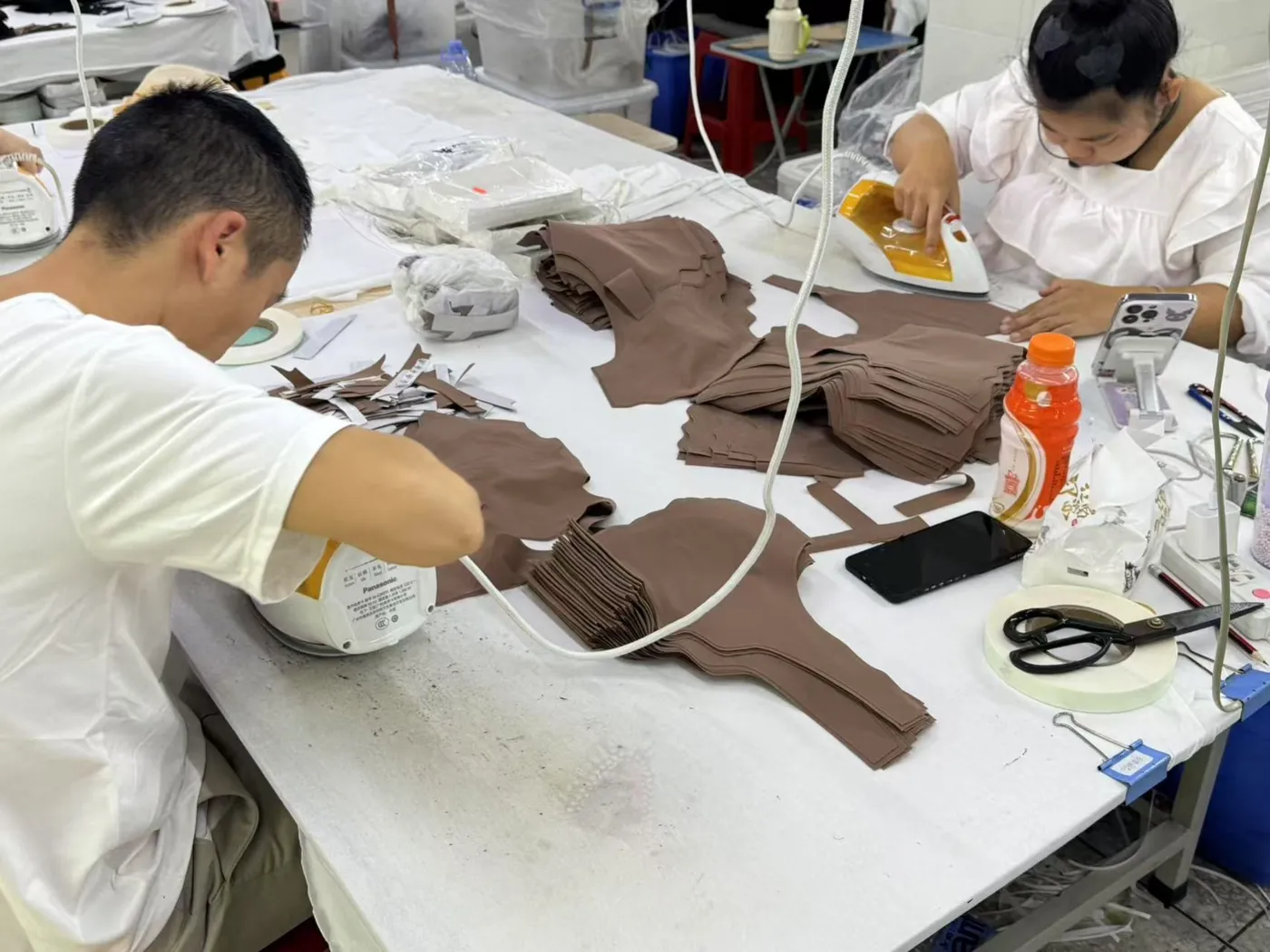
Written for product developers, QA and procurement teams, this working brief turns the key questions around representative and worst-case variants, composite sampling, LOQ and report identity into a dated brief, a comparable quotation and a controlled next step.
Define the claim and regulatory scope
Start with the claim and regulatory scope. A test plan for absorbency, rewet, colour, durability or PFAS will not be the same, and the report must state which product question it answers.
Choose representative and worst-case variants
Choose representative sizes, colours and constructions, then identify the worst-case variant for each risk. A mid-size black sample cannot automatically represent a pale skin-contact layer or a different membrane.
Component versus composite sampling
Decide whether the laboratory needs component samples, composite gusset samples or finished garments. The form of the sample changes the conditioning, handling and interpretation of the result.
Sample custody, LOQ and report identity
Maintain sample custody and link every report to a unique sample code, BOM version, colour and production source. Record the limit of quantification and any deviation from the requested method.
Retest after material or process changes
Retest after a material, film, adhesive, supplier or process change, and after a finished-garment change that could affect the tested condition. A report for one version is not a permanent certificate for the SKU.
Decision register
| Stage | What to record | Minimum evidence | Dependency |
|---|---|---|---|
| Define the claim and regulatory scope | Decision, reference and version | approved brief and scope note | BOM, material and certificate scope, test records and sample identity, production, inspection and traceability records, market responsibility and local adviser input |
| Choose representative and worst-case variants | Decision, reference and version | dated specification, BOM or official-source note | BOM, material and certificate scope, test records and sample identity, production, inspection and traceability records, market responsibility and local adviser input |
| Component versus composite sampling | Decision, reference and version | sample, test or registration record for the named reference | BOM, material and certificate scope, test records and sample identity, production, inspection and traceability records, market responsibility and local adviser input |
| Sample custody, LOQ and report identity | Decision, reference and version | named approval, exception and change log | BOM, material and certificate scope, test records and sample identity, production, inspection and traceability records, market responsibility and local adviser input |
| Retest after material or process changes | Decision, reference and version | RFQ or production-release pack for the next stage | BOM, material and certificate scope, test records and sample identity, production, inspection and traceability records, market responsibility and local adviser input |
Project file to assemble
- Buyer focus: Product developers, QA and procurement teams.
- Page scope: representative and worst-case variants, composite sampling, LOQ and report identity.
- Evidence to assemble: for representative and worst-case variants, composite sampling, LOQ and report identity, approved brief and scope note; dated specification, BOM or official-source note; sample, test or registration record for the named reference; named approval, exception and change log; RFQ or production-release pack for the next stage.
- External dependencies: BOM, material and certificate scope, test records and sample identity, production, inspection and traceability records, market responsibility and local adviser input.
- Next step: send a dated brief covering representative and worst-case variants, composite sampling, LOQ and report identity, the destination market and available documents for a feasibility review.
Buyer questions
What makes “Define the claim and regulatory scope” a usable test?
For representative and worst-case variants, composite sampling, LOQ and report identity: A usable test names the sample and version, BOM, method, units, conditioning, dose or load, number of repeats and acceptance rule. Results without those fields are difficult to reproduce or compare.
Can “Choose representative and worst-case variants” be approved from one sample?
For representative and worst-case variants, composite sampling, LOQ and report identity: Only for the version tested. The approval should state which size, colour, material and process were covered, and which production variation still needs verification.
When should the test be repeated?
For representative and worst-case variants, composite sampling, LOQ and report identity: Repeat it after a material, film, adhesive, seam, laundry instruction, supplier or construction change, or when the finished-garment sample differs from the tested specimen.
Related routes
Editorial review: 8 November 2026. This page describes a procurement method and does not replace legal, tax or regulatory advice.
Have a style in mind?
Send a sketch, tech pack or reference garment. We will reply with a development route.