Fabric and Dye-Lot Planning Before You Split Styles
Fabric and Dye-Lot Planning Before You Split Styles. Sourcing, production and quality teams
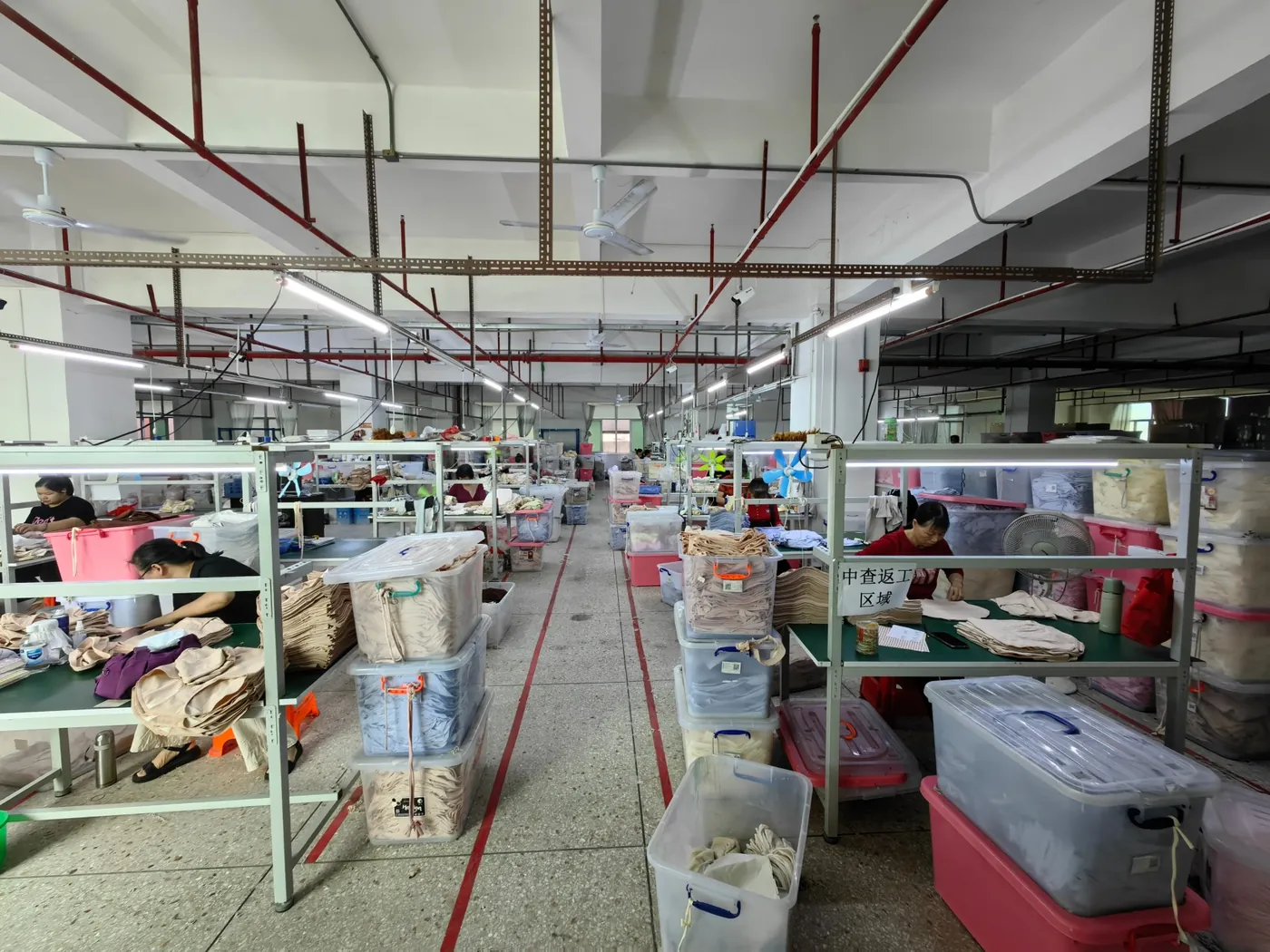
Written for sourcing, production and quality teams, Fabric and Dye-Lot Planning Before You Split Styles explains the decisions, records and approvals to control before the next quotation or sample release. Scope: garment MOQ, mill minimums, shared materials, dye lots and excess ownership.
Garment MOQ versus mill minimum
Garment MOQ and mill minimum are different constraints. A small garment order can still require a much larger fabric purchase, minimum dye lot or a surcharge for splitting a shade.
Shared material across styles
Look for shared materials across styles before splitting colours and fabrics. A common shell or trim can reduce minimums, but it must still fit the product brief and the test plan.
Colour continuity and lot segregation
Plan colour continuity by dye lot and keep lots separated through cutting, sewing and packing. A visually close shade in two lots can create a mismatch in a mixed carton or reorder.
Excess fabric ownership and storage
Decide who owns excess fabric, where it is stored and when it expires or is released. The purchase order should state whether the reserve is usable for another style or only for the same SKU.
Reorder implications
Agree reorder triggers, price validity and lot replacement before the first cut. A reorder that needs a new dye lot may need a new colour approval even if the original sample is still available.
Decision register
| Stage | What to record | Minimum evidence | Dependency |
|---|---|---|---|
| Garment MOQ versus mill minimum | Decision, reference and version | approved brief and scope note | BOM, material and certificate scope, development parameters and approvals, commercial terms and packaging, production, inspection and traceability records |
| Shared material across styles | Decision, reference and version | dated specification, BOM or official-source note | BOM, material and certificate scope, development parameters and approvals, commercial terms and packaging, production, inspection and traceability records |
| Colour continuity and lot segregation | Decision, reference and version | sample, test or registration record for the named reference | BOM, material and certificate scope, development parameters and approvals, commercial terms and packaging, production, inspection and traceability records |
| Excess fabric ownership and storage | Decision, reference and version | named approval, exception and change log | BOM, material and certificate scope, development parameters and approvals, commercial terms and packaging, production, inspection and traceability records |
| Reorder implications | Decision, reference and version | RFQ or production-release pack for the next stage | BOM, material and certificate scope, development parameters and approvals, commercial terms and packaging, production, inspection and traceability records |
Project file to assemble
- Buyer focus: Sourcing, production and quality teams.
- Page scope: garment MOQ, mill minimums, shared materials, dye lots and excess ownership.
- Evidence to assemble: for garment MOQ, mill minimums, shared materials, dye lots and excess ownership, approved brief and scope note; dated specification, BOM or official-source note; sample, test or registration record for the named reference; named approval, exception and change log; RFQ or production-release pack for the next stage.
- External dependencies: BOM, material and certificate scope, development parameters and approvals, commercial terms and packaging, production, inspection and traceability records.
- Next step: send a dated brief covering garment MOQ, mill minimums, shared materials, dye lots and excess ownership, the destination market and available documents for a feasibility review.
Buyer questions
What must “Garment MOQ versus mill minimum” record?
For garment MOQ, mill minimums, shared materials, dye lots and excess ownership: Record the reference and version, the decision, the owner, the date, the evidence accepted and the next milestone. Link it to the approved sample, BOM or artwork rather than a chat thread.
How should “Shared material across styles” be handled when information is missing?
For garment MOQ, mill minimums, shared materials, dye lots and excess ownership: Keep the item open and state what evidence is missing. Do not let a provisional answer become an approved production instruction without a new version.
What changes require a new release?
For garment MOQ, mill minimums, shared materials, dye lots and excess ownership: A change to material, supplier, BOM, measurement, colour, label, carton, test result or delivery term should trigger a new version and a defined cut-off.
Related routes
Moq sampling lead time Contact
Editorial review: 8 November 2026. This page describes a procurement method and does not replace legal, tax or regulatory advice.
Have a style in mind?
Send a sketch, tech pack or reference garment. We will reply with a development route.