Buyer-Nominated vs Factory-Sourced Materials: Who Owns the Risk?
Buyer-Nominated vs Factory-Sourced Materials: Who Owns the Risk?. Product developers, QA and procurement teams
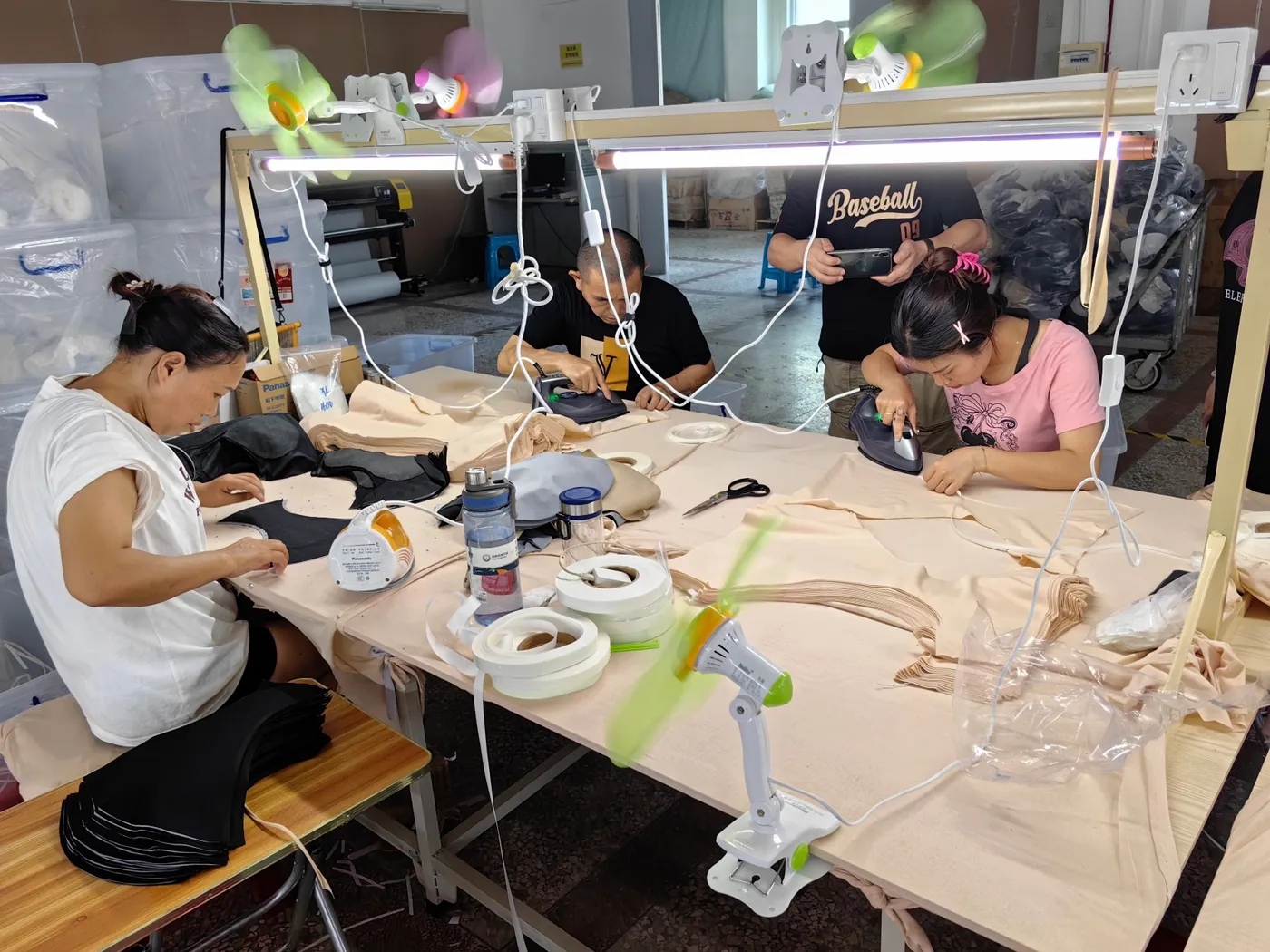
Written for product developers, QA and procurement teams, this working brief turns the key questions around buyer-nominated materials, approval rights, delivery risk and excess ownership into a dated brief, a comparable quotation and a controlled next step.
Material nomination and approval rights
Material nomination is not the same as material approval. The buyer may specify a supplier or reference, but the factory still needs to verify identity, availability, test status and compatibility with the construction.
Quality and late-delivery responsibility
Define who owns quality and late-delivery risk for buyer-nominated material. If the nominated mill misses a date or changes a lot, the contract should state the notice, remedy and approval route.
MOQ, payment and excess ownership
Clarify minimums, payment, storage and excess ownership before ordering nominated material. A buyer-supplied route can move commercial risk without removing the need for incoming inspection.
Traceability and certificate coverage
Trace the nominated material through supplier, lot, certificate and finished SKU. If the material is changed or substituted, the previous test and approval may no longer apply.
Contract responsibility matrix
Put the result in a responsibility matrix: nomination, purchase, inspection, testing, storage, replacement and claim. Both parties should sign the same version.
Decision register
| Stage | What to record | Minimum evidence | Dependency |
|---|---|---|---|
| Material nomination and approval rights | Decision, reference and version | approved brief and scope note | BOM, material and certificate scope, development parameters and approvals, commercial terms and packaging, production, inspection and traceability records |
| Quality and late-delivery responsibility | Decision, reference and version | dated specification, BOM or official-source note | BOM, material and certificate scope, development parameters and approvals, commercial terms and packaging, production, inspection and traceability records |
| MOQ, payment and excess ownership | Decision, reference and version | sample, test or registration record for the named reference | BOM, material and certificate scope, development parameters and approvals, commercial terms and packaging, production, inspection and traceability records |
| Traceability and certificate coverage | Decision, reference and version | named approval, exception and change log | BOM, material and certificate scope, development parameters and approvals, commercial terms and packaging, production, inspection and traceability records |
| Contract responsibility matrix | Decision, reference and version | RFQ or production-release pack for the next stage | BOM, material and certificate scope, development parameters and approvals, commercial terms and packaging, production, inspection and traceability records |
Project file to assemble
- Buyer focus: Product developers, QA and procurement teams.
- Page scope: buyer-nominated materials, approval rights, delivery risk and excess ownership.
- Evidence to assemble: for buyer-nominated materials, approval rights, delivery risk and excess ownership, approved brief and scope note; dated specification, BOM or official-source note; sample, test or registration record for the named reference; named approval, exception and change log; RFQ or production-release pack for the next stage.
- External dependencies: BOM, material and certificate scope, development parameters and approvals, commercial terms and packaging, production, inspection and traceability records.
- Next step: send a dated brief covering buyer-nominated materials, approval rights, delivery risk and excess ownership, the destination market and available documents for a feasibility review.
Buyer questions
How should “Material nomination and approval rights” be compared?
For buyer-nominated materials, approval rights, delivery risk and excess ownership: Compare the same layer, product type and care regime. Record the evidence available for each option and state which trade-off is being accepted.
Does a material certificate cover the finished product?
For buyer-nominated materials, approval rights, delivery risk and excess ownership: Not necessarily. Check the certified site, material scope, transaction records and whether the certificate applies to the actual input used in the SKU.
When should the choice be reviewed again?
For buyer-nominated materials, approval rights, delivery risk and excess ownership: Review it after a fibre, supplier, fabric weight, finish, construction or care change, or when new test evidence affects the intended use.
Related routes
Period underwear tech pack Contact
Editorial review: 8 November 2026. This page describes a procurement method and does not replace legal, tax or regulatory advice.
Have a style in mind?
Send a sketch, tech pack or reference garment. We will reply with a development route.