Period Underwear Quality Control from Sample to Shipment
Build a period underwear inspection plan around the approved sample, measurements, materials, labels, packing and the risks specific to absorbent garments.
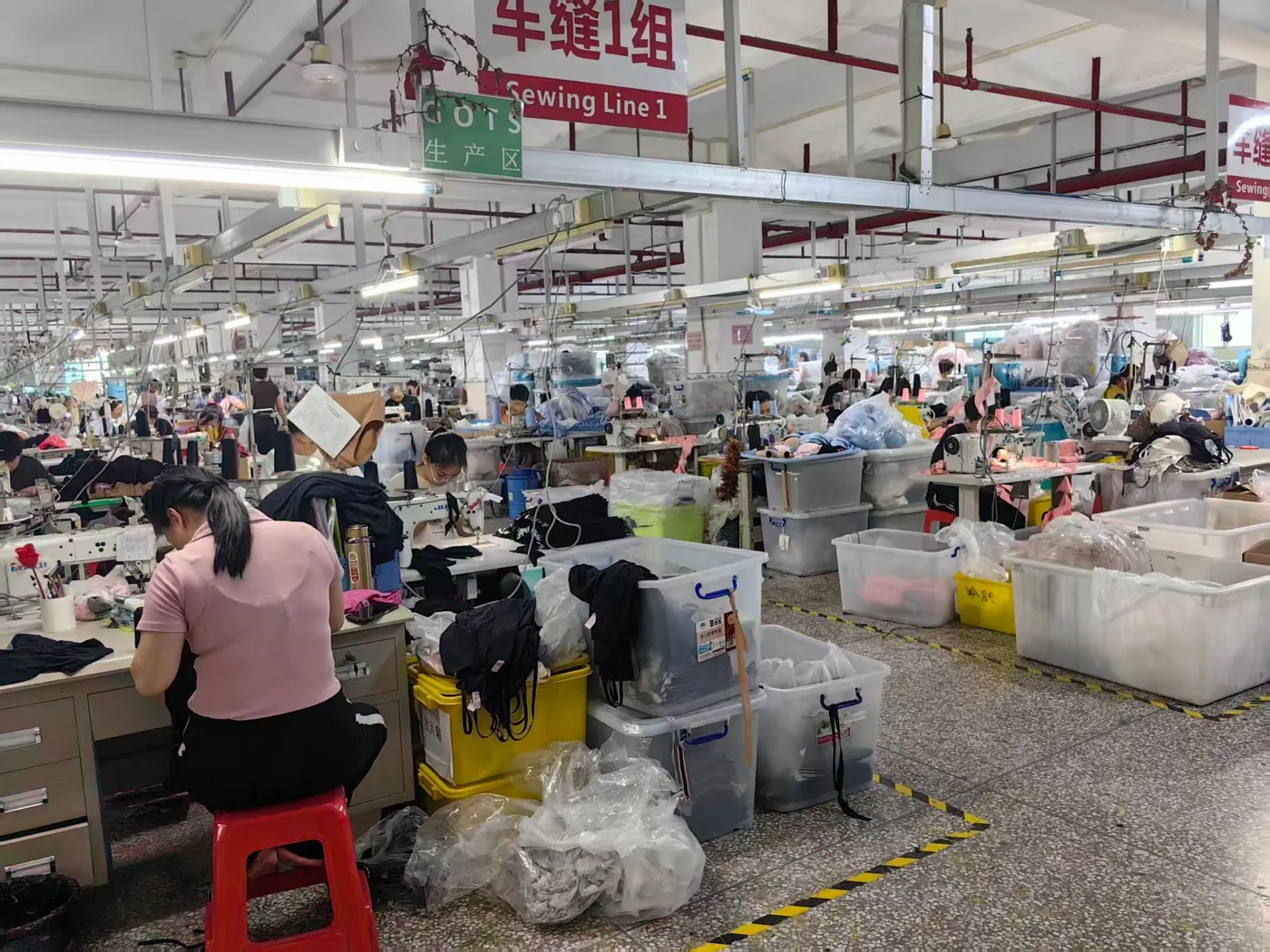
Quality control starts before sewing
Fabric inspection, shade checks, trim verification and gusset material checks happen before the garment is assembled. Catching a material issue early is more useful than discovering it in the final carton. The PP sample and tech pack provide the reference for what has been approved.
The inspection plan
- Incoming fabric and trim checks
- Cut-panel and gusset-layer verification
- In-line construction and measurement checks
- Label, print and placement checks
- Final measurement and workmanship review
- Packing, quantity and carton verification
- Corrective action and approval before shipment
Period-specific risks
The gusset is the highest-risk area. Inspectors look for layer alignment, barrier placement, edge flatness, bond or seam integrity, foreign material and measurement drift. They also check that the correct absorbent and barrier materials were used, because a visually similar sample can hide a material substitution.
AQL and sampling plans
An inspection plan should define sample size, defect classification and acceptance criteria. If a buyer requests AQL, the level and critical/major/minor definitions should be written into the order rather than assumed. The plan is agreed before bulk so both sides know how acceptance will be judged.
Records for repeat orders
The approved sample, measurement sheet, material reference and packing standard become the quality record for the style. This is especially important when a product is reordered months later or produced in a different colour or fabric lot.
Related routes
Connect QC to the approved PP sample and the documents that support your market claims.
Period Underwear PP Sample Approval
What the PP sample is for
The pre-production sample is the final physical reference before bulk. It should use the approved fabrics, trims, labels and packaging configuration, and it should match the measurements that production will be checked against. A fit sample that was made in a different fabric cannot automatically serve as the PP standard.
What gets signed off
| Item | Approval question |
|---|---|
| Measurements | Does the sample meet the approved size chart? |
| Materials | Are fabric, gusset, membrane and trims the approved versions? |
| Construction | Are seams, edges and bonding methods correct? |
| Branding | Are labels, prints, hangtags and placement correct? |
| Packing | Is the product packed and labelled as agreed? |
| Reference | Is there a sealed or photographed standard? |
Why comments need a deadline
PP approval is a gate. If the sample is approved without resolving a measurement or label issue, the problem moves into bulk.
Frequently asked questions
Do you inspect every piece?
The inspection plan depends on the order and risk. It may combine in-line checks with final sample inspection. The acceptance method should be agreed in the order.
Can I use my own inspection agency?
Yes. Third-party inspection can be arranged or accommodated if the timing and access are agreed in advance.
What is checked on the gusset?
Layer sequence, coverage, barrier placement, edge finish, flatness, bond or seam integrity and measurement consistency are reviewed against the approved sample.
Have a style in mind?
Send a sketch, tech pack or reference garment. We will reply with a development route.